Seizure Safe Schools Act changes safety protocols in South Carolina schools

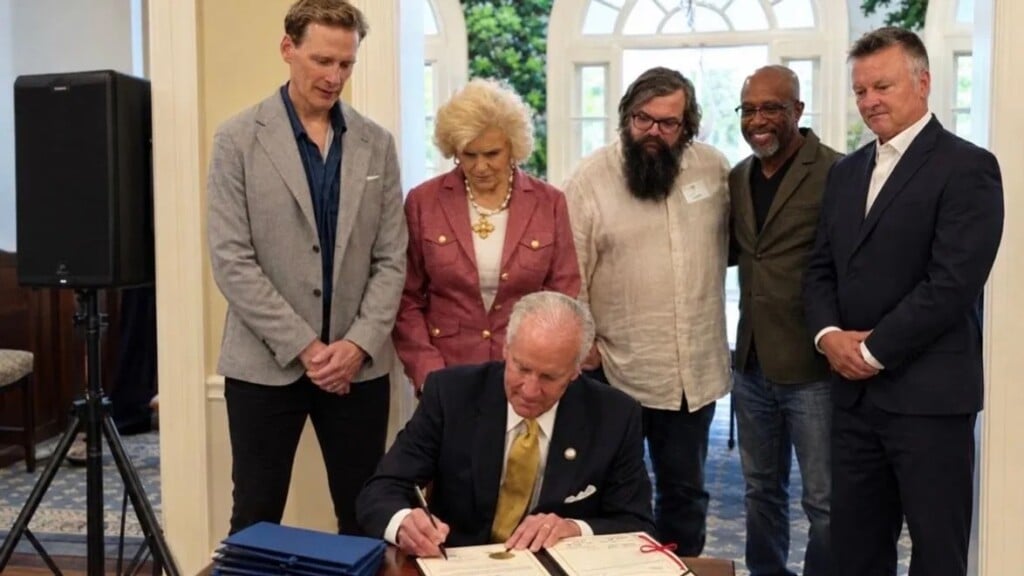
(WCIV) — The Seizures Safe Schools Act took effect during the first week of July, requiring all South Carolina public and charter schools to adopt a seizure training program.
According to the Centers for Disease Control, one in ten people will have a seizure at one point in their lifetime, and nearly half a million children in the United States had epilepsy in 2022.
“It’s going to be so life-changing,” said Karen St. Marie, the founder and executive director of South Carolina Advocates for Epilepsy. “Not just for the students, but for the parents and the school staff, because being able to recognize that a child is having a seizure and knowing how to respond, it can truly be lifesaving.”
St. Marie founded the organization after her son, Erik, was diagnosed with epilepsy a month before his 19th birthday.
“This is my passion now, to make a difference for epilepsy patients and their caregivers,” St. Marie said.
St. Marie played a role in getting the act passed and signed into law.
“Whether their child is on the way to the bathroom or at recess, there’s going to be somebody there that knows how to respond and knows what to do,” St. Marie said.
The law also requires students diagnosed with epilepsy to have an individualized seizure action plan with teachers and staff.
“There’s not a one-size-fits-all treatment for a child having a seizure at school,” said Jill Swing, whose daughter is epileptic. “So, it’s crucial for that plan to be in place so that the school staff fully understands how to respond, not just physically to care for the child, but also to add additional medication to support that child.”
Charleston County School District says the new state requirements are not new to the district.
“I’m really pleased to say that we already had all of those protocols in place. All of our staff members are required to do, um, health emergency overview, and that does cover the seizure management as well,” said Ellen Nitz, the director of nursing with CCSD.
St. Marie hopes the new requirements will build awareness and reduce stigmas associated with epilepsy and seizures.
“We just want people to know that people with epilepsy don’t want to be treated differently,” St. Marie said. “They’re just the same. It’s just something that they have. It’s not who they are.”
More information about learning how to recognize seizures and respond appropriately can be found on the SC Advocates for Epilepsy website.