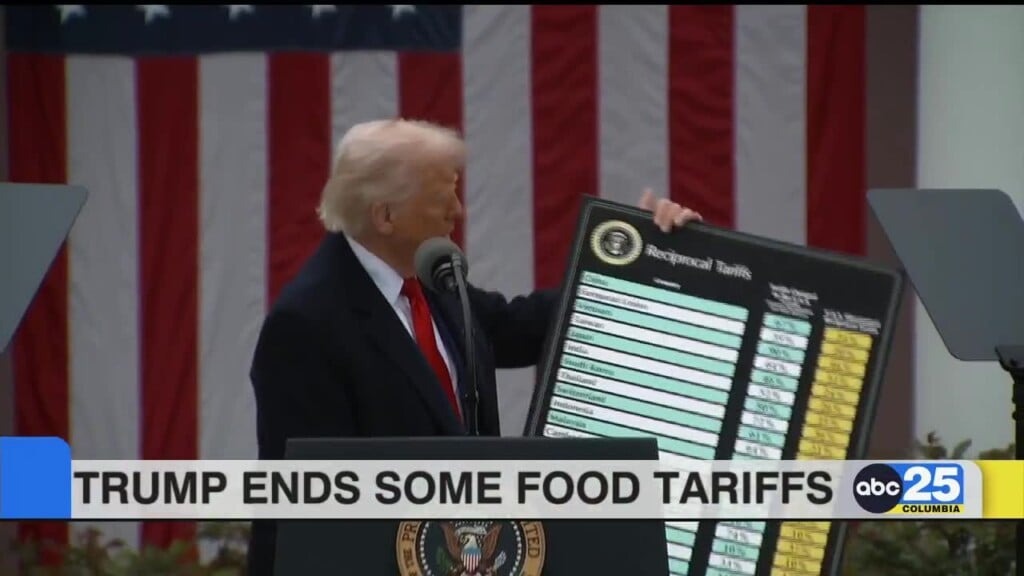
Trump ends some food tariffs
Experts say the prices of certain grocery items could go down after President Trump removed some tariffs on Brazilian goods Thursday, Nov. 20.
Experts say the prices of certain grocery items could go down after President Trump removed some tariffs on Brazilian goods Thursday, Nov. 20.
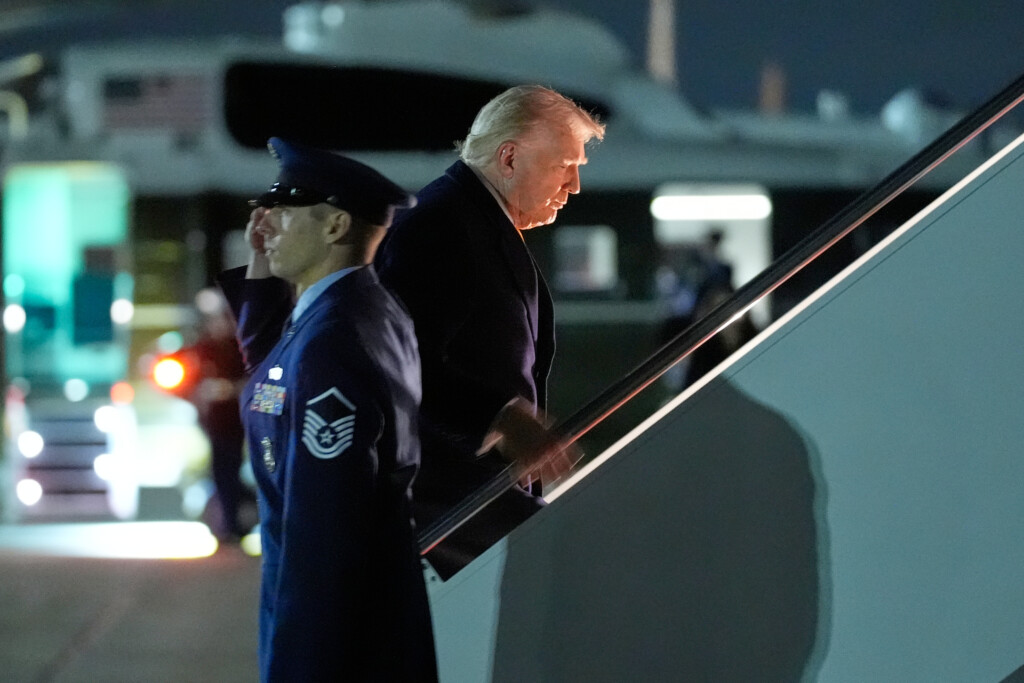
President Donald Trump announced Friday that he was scrapping U.S. tariffs on beef, coffee, tropical fruits and a broad swath of other commodities — a dramatic move that comes amid mounting pressure on his administration to better combat high consumer prices.
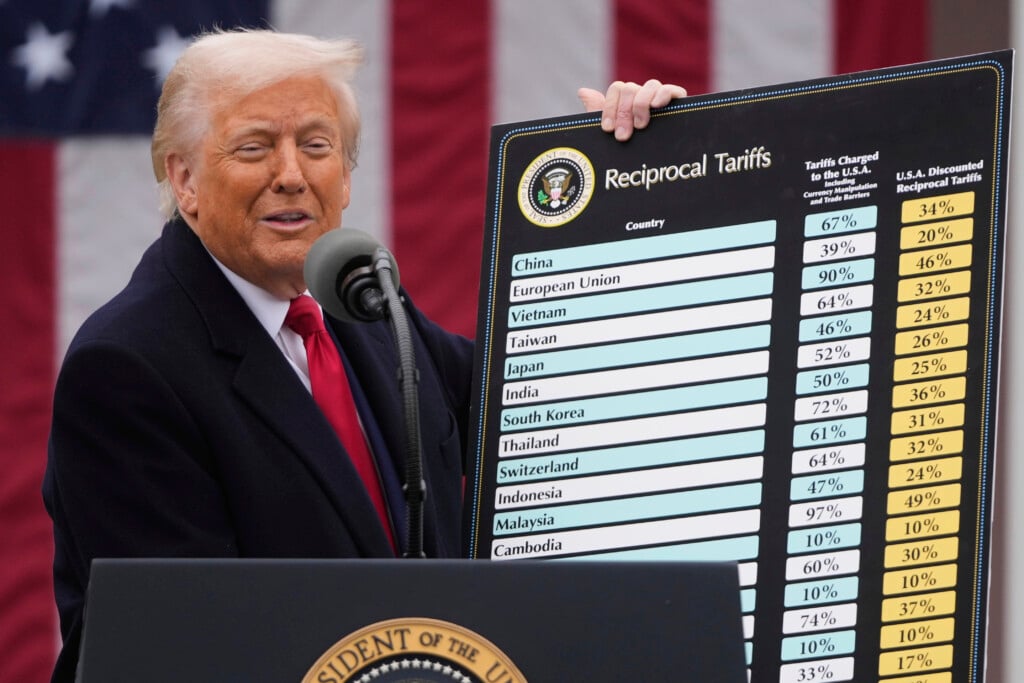
President Donald Trump’s power to unilaterally impose far-reaching tariffs is coming before the Supreme Court on Wednesday in a pivotal test of executive power with trillion-dollar implications for the global economy.
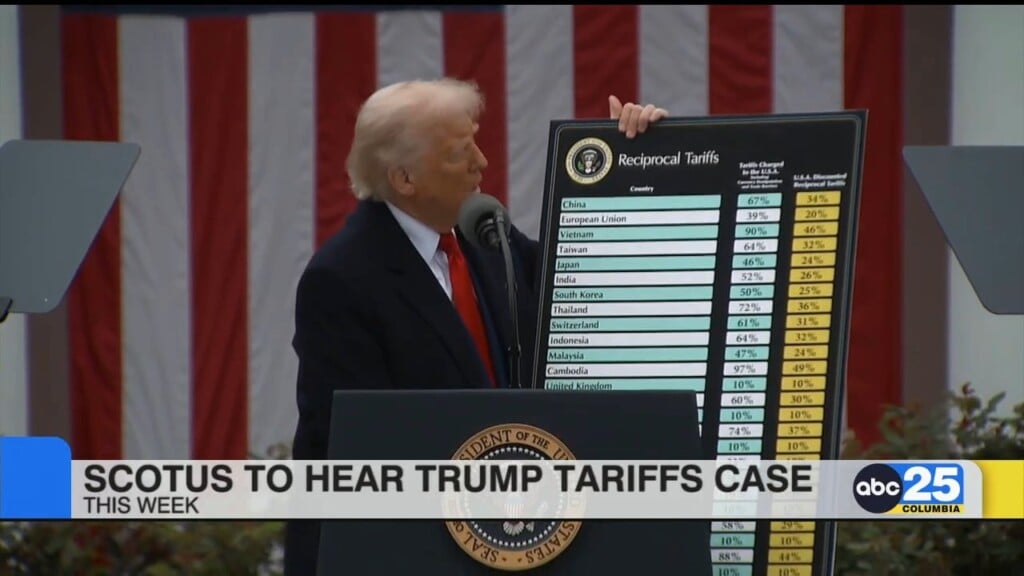
In just days the Supreme Court will hear oral arguments on whether President Trump’s tariff policy is legal.
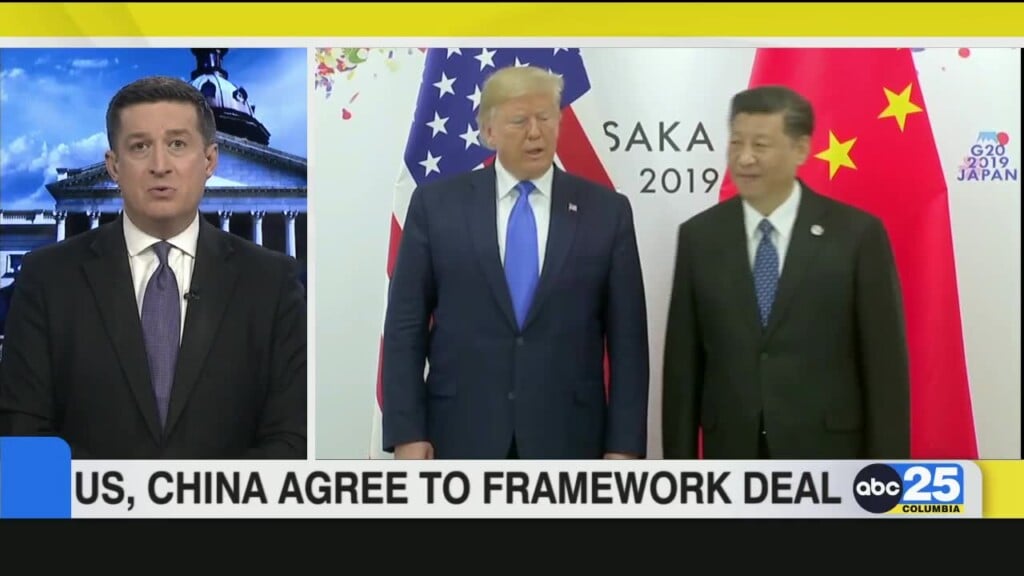
Sunday, October 26, U.S. Treasury Secretary Scott Bessent outlined the framework for a U.S.-China trade deal to avoid imposing an additional 100% tariff on Chinese imports.
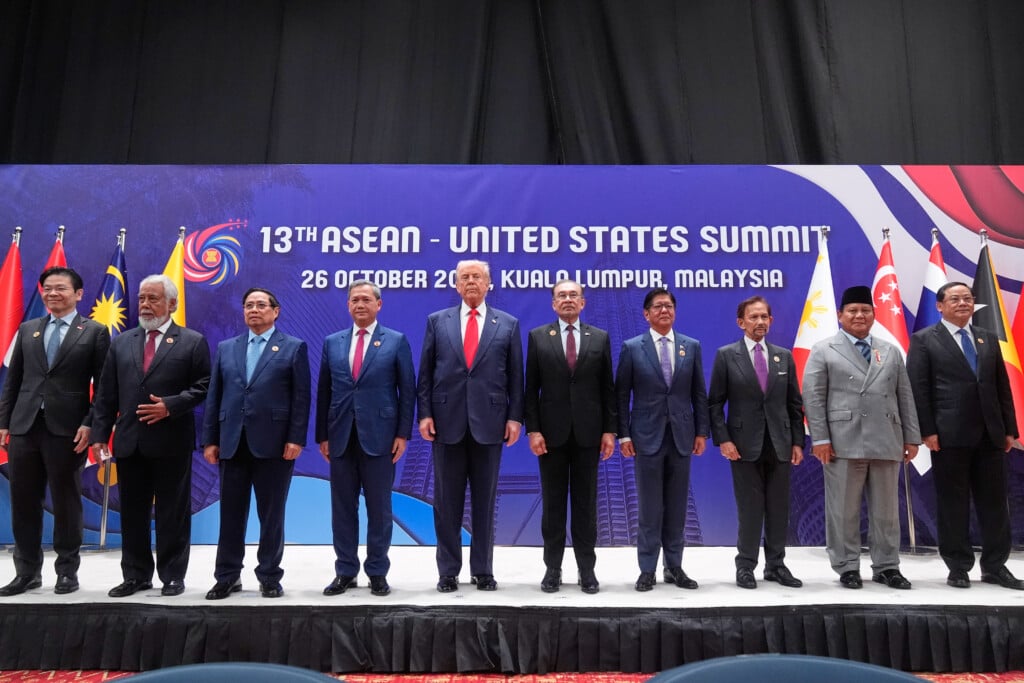
A trade deal between the United States and China is drawing closer, officials from the world’s two largest economies said Sunday as they reached an initial consensus for President Donald Trump and Chinese leader Xi Jinping to aim to finalize during their high-stakes meeting.
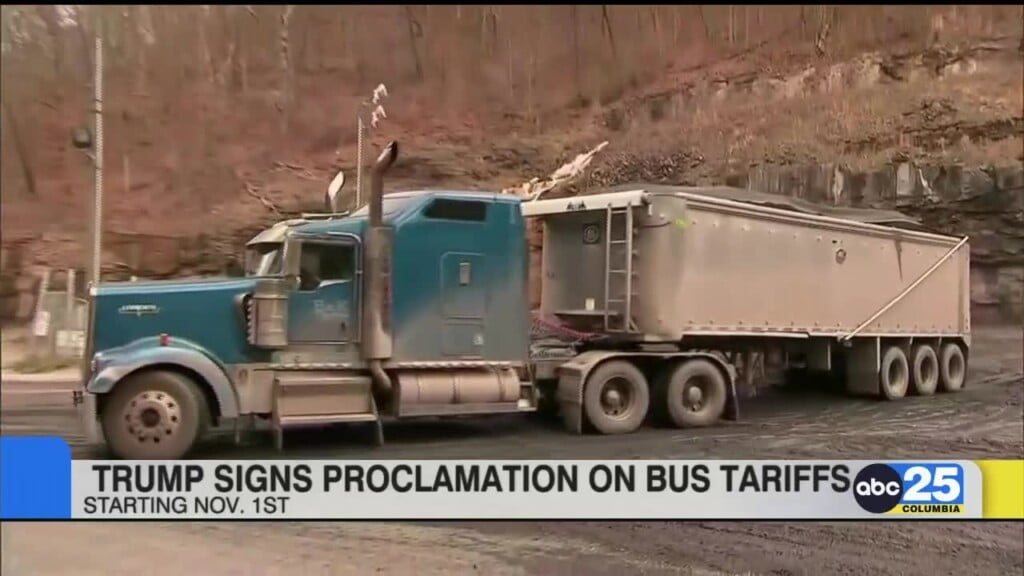
Friday, October 17, President Trump signed a proclamation paving the way for higher tariffs on imported trucks, buses, and their parts.
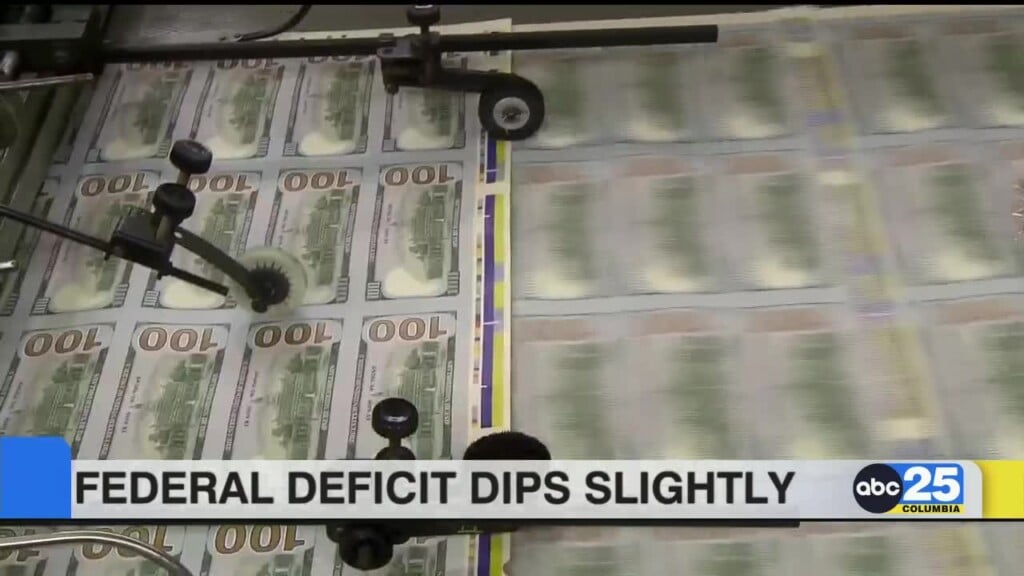
The federal deficit edged lower this year thanks in part to President Trump’s tariffs.
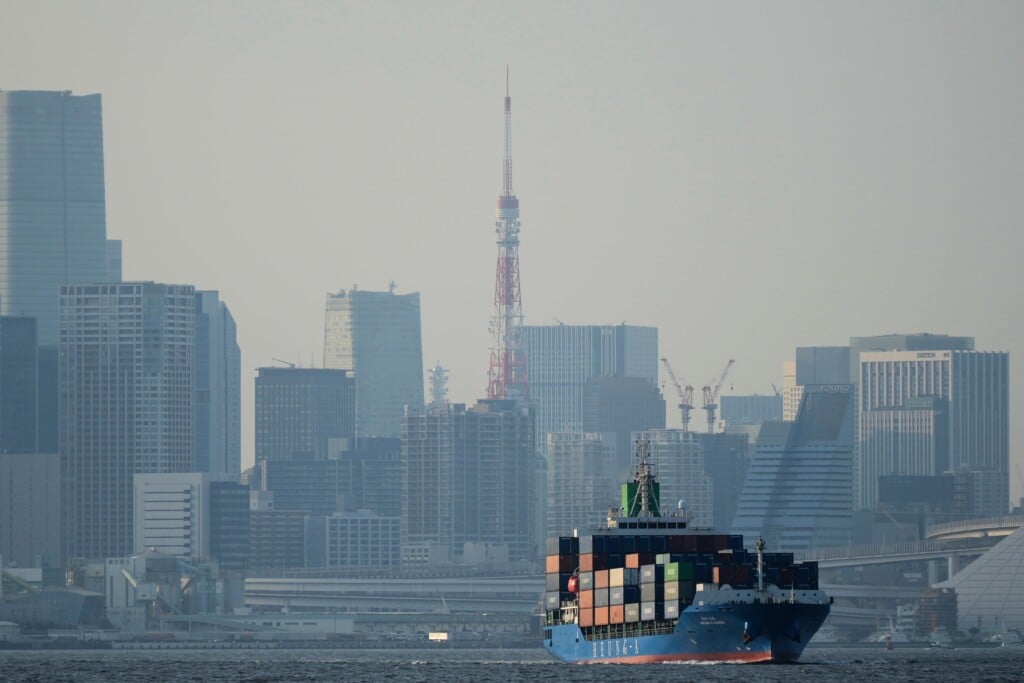
The U.S. has succeeded in blocking a global fee on shipping emissions as an international maritime meeting adjourned Friday without adopting regulations.
Stocks are climbing on Wednesday following strong profit reports from some of the world’s biggest names in banking and technology.


