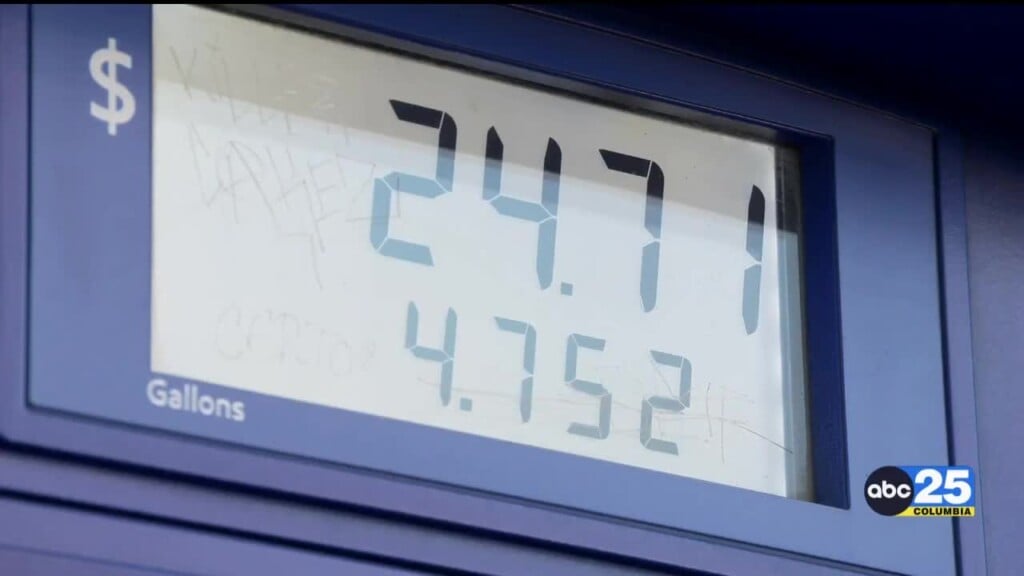
National gas average rises above $4 a gallon
AAA says the national average for a gallon of regular gas on Tuesday, July 21, is just over $4.
AAA says the national average for a gallon of regular gas on Tuesday, July 21, is just over $4.

A 10th straight day of attacks between the United States and Iran across the Middle East on Tuesday overshadowed diplomatic efforts in Pakistan to salvage an interim ceasefire deal that collapsed earlier this month as the two countries battled for control of a waterway vital to world energy supplies.
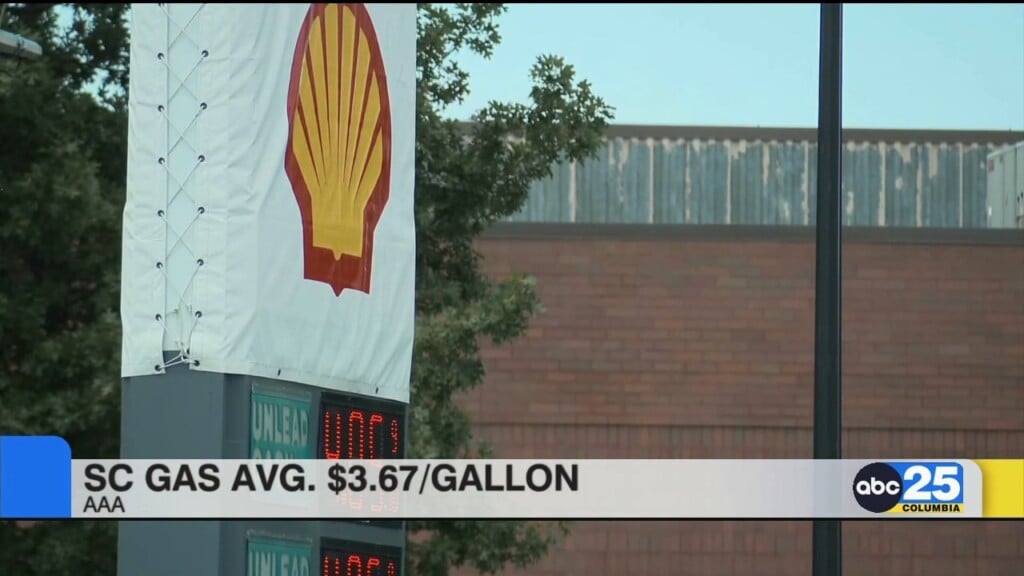
Gas prices keep climbing as the war in Iran continues.
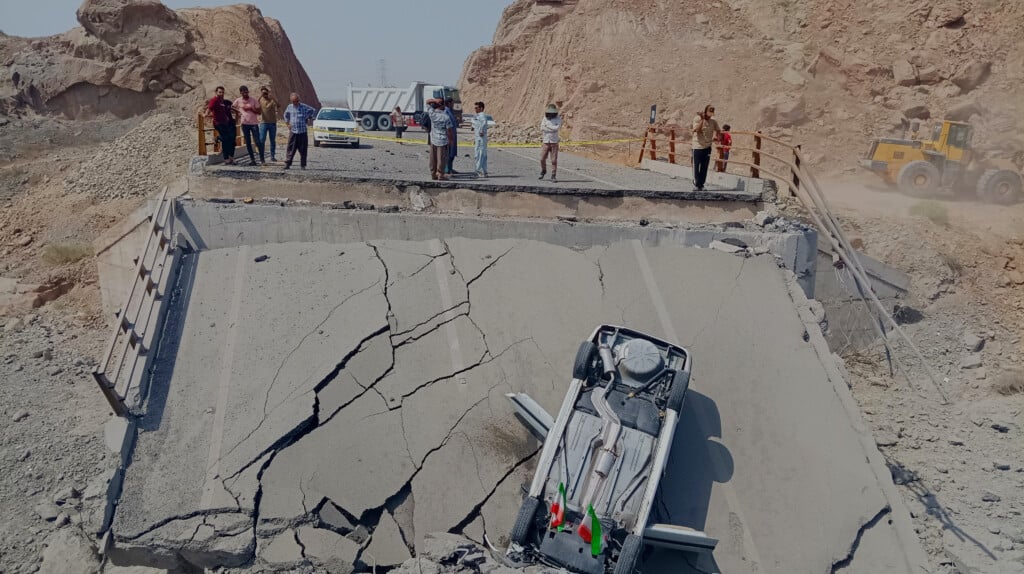
The United States conducted a new round of airstrikes against Iran on Monday after announcing the death of another American service member.
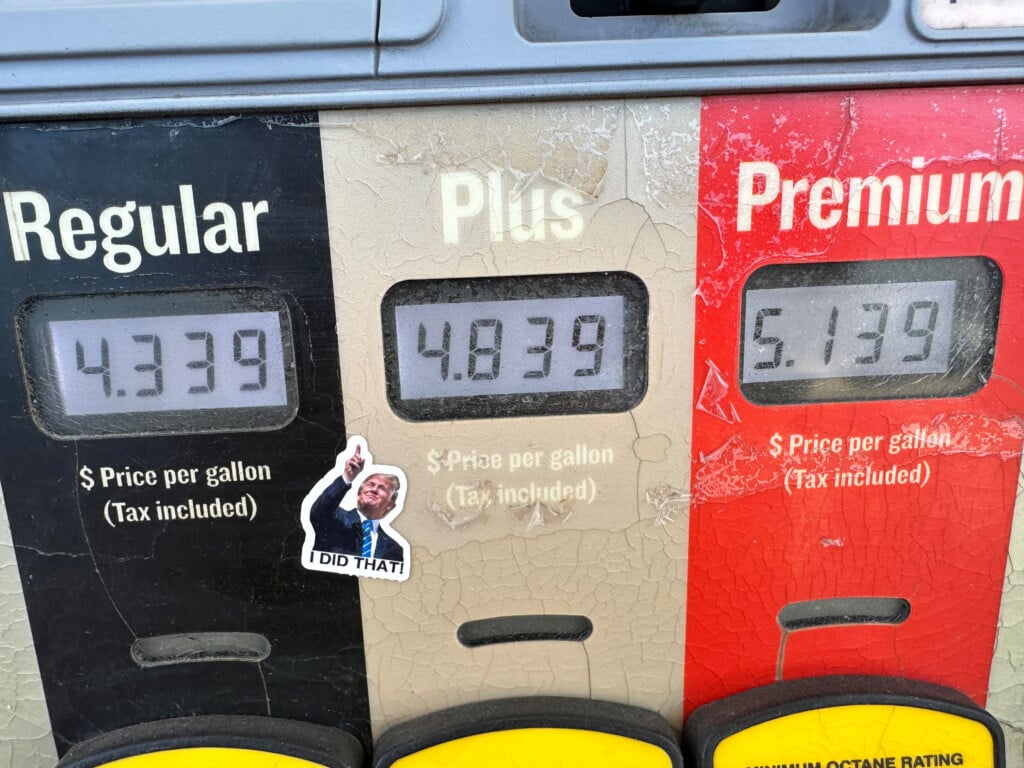
Gas prices continue to inch up after President Donald Trump declared the ceasefire agreement with Iran “over.”

The United States expanded its attacks against Iran early Friday by hitting more bridges and energy sites and collapsing a tower at a key Iranian port, backing up President Donald Trump’s threats to target infrastructure to pressure Tehran to ease its chokehold on the Strait of Hormuz.
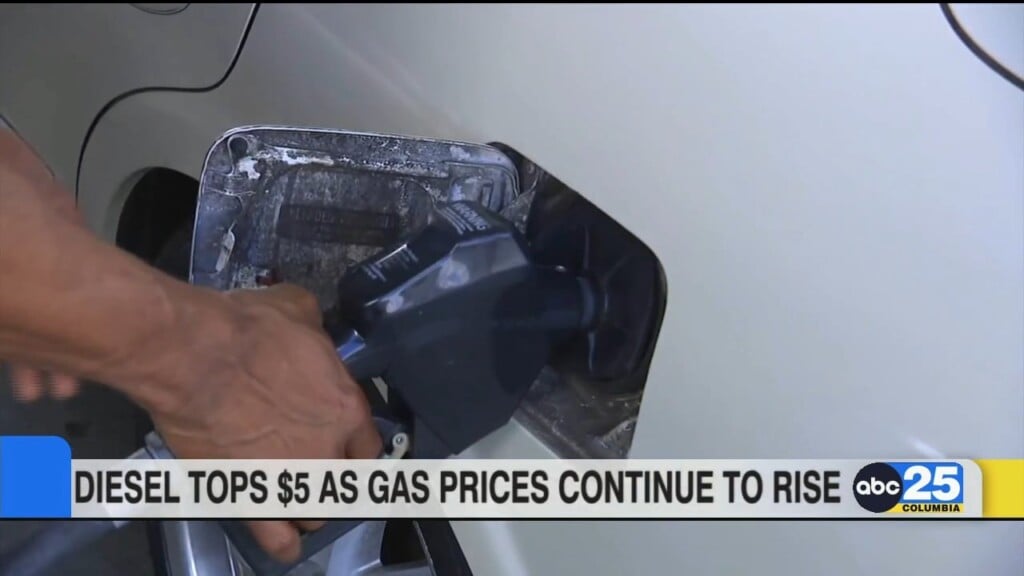
U.S. energy costs are at a grim milestone.

Republicans on the House Budget Committee advanced a $95 billion package Thursday for the Iran war, farm aid and President Donald Trump’s push for strict new voter ID requirements, moving forward on a party-line vote despite trouble in the full House — and the Senate.
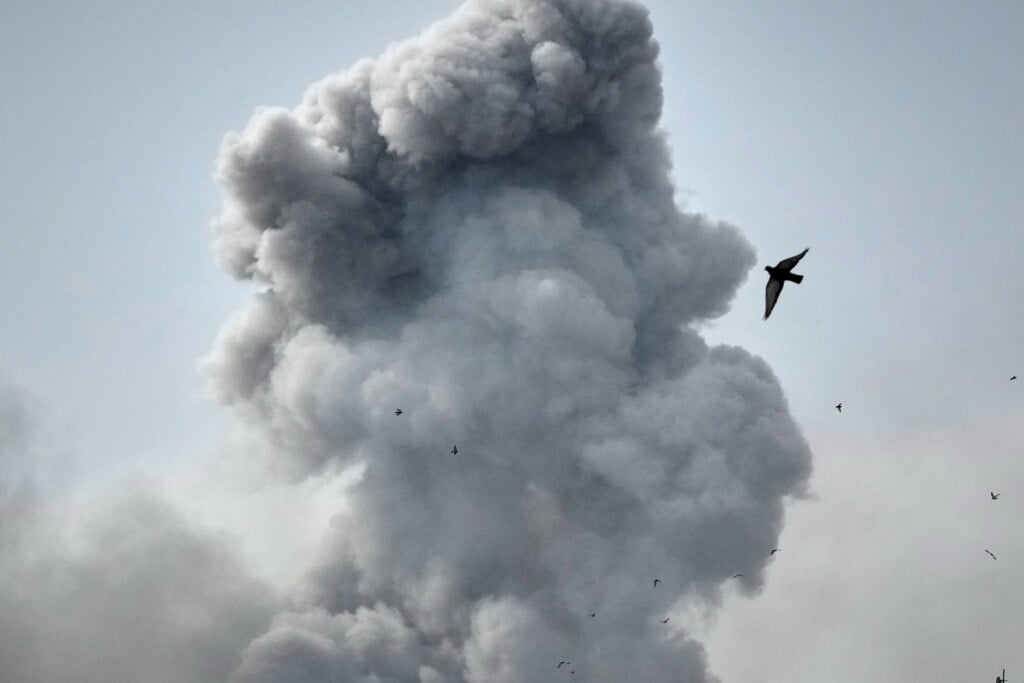
The United States intensified its strikes against Iran on Thursday, hitting targets farther north and firing into a ship the U.S. accused of trying to break its naval blockade on the Islamic Republic.
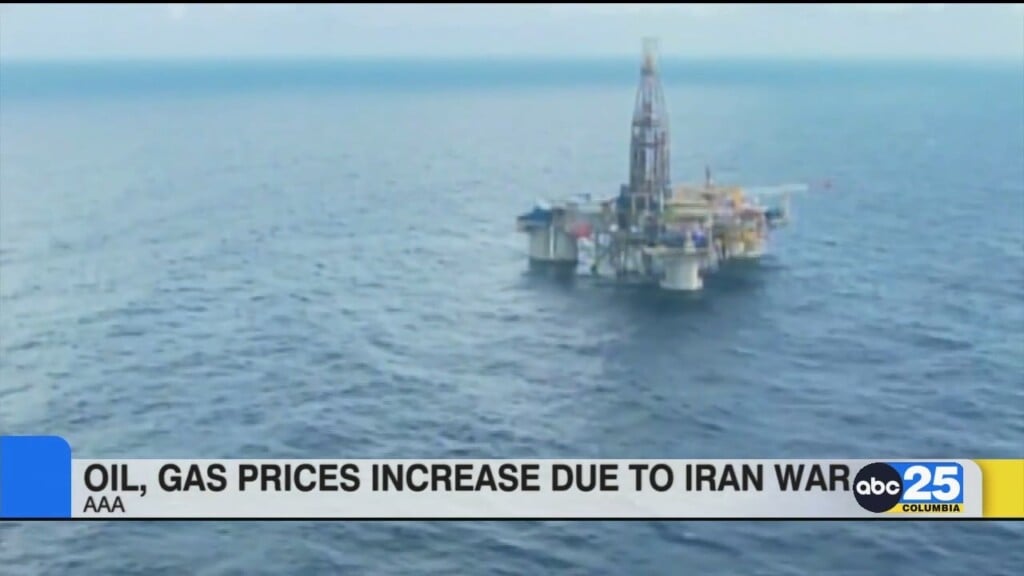
Renewed fighting in Iran continues to drive up oil and gas prices.


