Good Behavior: The Problem with “No Problem”
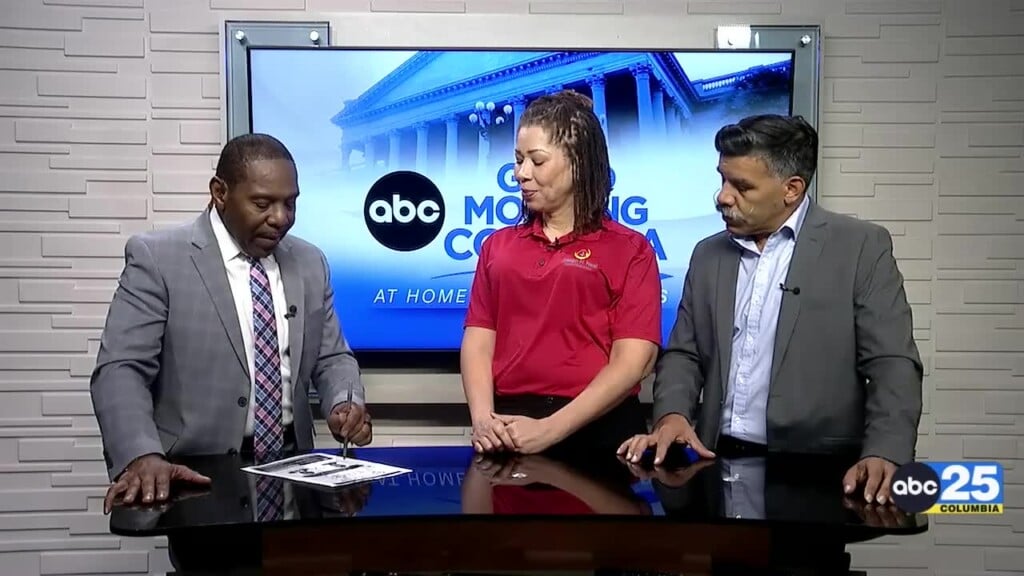
Pamela Eyring joined Tyler Ryan to talk about the term "No Problem," and the problem that not having a problem can create
COLUMBIA SC (WOLO)–The phrase “No problem” as often taken the place of “thank you.” The subtle change, however, according to The Protocol School of Washington’s Pamela Eyring, who appeared with Tyler Ryan on Good Behavior, is that using the former minimizes the importance of their service.
“Many people in customer service industries use the phrase “no problem” as a worthy substitute for “you’re welcome.” To them, ‘no problem’ means that they were glad to offer the services they provided and that they were simply happy to help you— a contextual definition that speaks to someone who was happy to have helped,” she said.
According to Eyring, on a more literal sense, an expression like “no problem” falls into the category of phatic expressions, formulaic sayings that are used less for their literal meaning and more for their social contribution. For a reference, other minimizing expressions along these lines include “no worries,” “sure,” “my pleasure, “anytime” and “don’t mention it.”
The problem with “no problem” however, is the inclusion of the word “problem.” No one likes to think of themselves, their requests or need for service as bothersome and the phrase can leave an ambiguous ending to what should have been a simple and friendly interaction between two people.
The different interpretations of “no problem” also speaks to the nuances of words and interpretations that vary from different generations. For Baby Boomers and even Generation X, Y and even Z, “you’re welcome” was once the go-to, genteel response that showed pride in service, a respect for your customer, and an overall display of good manners. But for many people—including Millennials—“no problem” does the same job.
Eyring and other etiquette instructors advocate best practices in protocol and “ways to enhance communication among different audiences, we do prefer the
use of the clearly defined and unambiguous ‘You’re Welcome.'”