For The Health Of It: How Winter Weather Impacts Falling Related Injuries
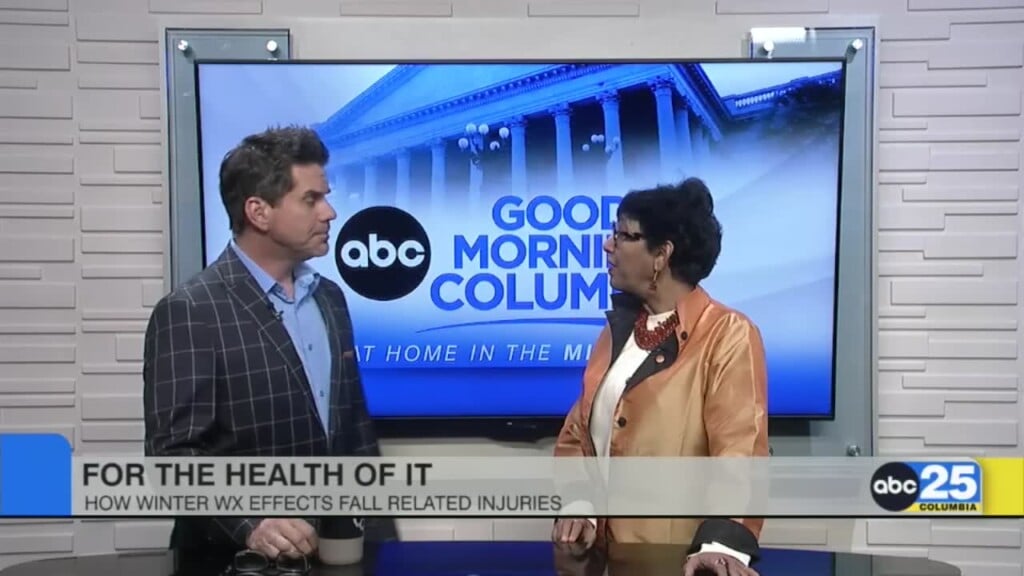
Tyler Spoke With Hima Dalal About How Winter Weather Effects Falling Related Injuries.
COLUMBIA, SC (WOLO) — Tyler spoke with Hima Dalal from Hima Dalal Integrative Health about how winter weather effects falling related injuries.
Prevention Through Integrative Occupational
Therapy
By
Hima Dalal Integrative OT ,Energy Medicine Practioner,MFR,CST,Reiki,CMFR,Yoga,Meditation
Teacher,Ayervedic Nutrition Practioner
Winter conditions significantly increase the risk of falls, especially among older adults,
individuals with neurological, autoimmune, or musculoskeletal conditions, and those with
balance or sensory challenges. Cold temperatures, icy surfaces, and reduced mobility create a
perfect storm for injury—yet many falls are preventable with the right integrative approach.
Why Cold & Icy Weather Increases Fall Risk
Environmental Factors
● Ice, snow, slush, and black ice
● Uneven frozen walkways, stairs, and ramps
● Reduced daylight and visibility
Physical & Physiological Factors
● Cold causes muscle, joint, and fascial stiffness
● Slower reaction time and reduced flexibility
● Increased pain, spasticity, or tremors
● Reduced sensation in feet due to cold or neuropathy
● Heavy winter clothing and boots altering posture and gait
Behavioral Factors
● Rushing to escape the cold
● Walking with hands in pockets (reduced balance reactions)
● Fear of falling leading to guarded, unstable movement patterns
Consequences of Winter Falls
● Hip, wrist, ankle fractures
● Head injuries
● Fear of falling → reduced activity → deconditioning
● Loss of independence and confidence
How Integrative Occupational Therapy Helps
Prevent Falls
Integrative Occupational Therapy (IOT) addresses the whole person—physical,
neurological, emotional, environmental, and energetic—helping individuals remain safe,
confident, and functional during winter months.
1. Functional Balance & Body Awareness
● Real-life balance training (curbs, stairs, getting in/out of cars)
● Gait retraining for winter footwear
● Proprioceptive and sensory re-education
● Mindful movement to improve confidence and reaction time
2. Fascia, Joint & Nervous System Regulation
Cold tightens fascia and disrupts alignment.
Integrative OT techniques may include:
● Myofascial Release
● Craniosacral Therapy
● Crystal Myofascial Release Therapy (CMFR)
● Gentle joint mobilization and nervous system calming
Benefits: improved mobility, posture, coordination, and smoother movement responses
3. Foot, Ankle & Sensory Training
● Strengthening foot and ankle stabilizers
● Improving sensory feedback and ground awareness
● Education on appropriate winter footwear and traction devices
4. Environmental Modification & Safety Education
● Safe entryways, bathrooms, and stairs
● Lighting and non-slip strategies
● Assistive device training for winter use
● Planning strategies for icy conditions
5. Yoga, Breathwork & Energy-Based Stability
● Grounding practices to improve balance
● Breathwork to reduce fear and muscle guarding
● Energy alignment for confidence and steadiness
● Training in safe fall recovery techniques
6. Emotional & Cognitive Support
● Addressing fear of falling
● Confidence rebuilding
● Education on pacing, planning, and mindful decision-making
Simple Winter Safety Tips
● Warm up before going outside
● Take shorter steps with a wider base
● Keep hands free for balance
● Wear layered, non-restrictive clothing
● Pause and assess surfaces—don’t rush
�� Integrative OT Makes the Difference
Integrative Occupational Therapy not only prevents falls—it restores confidence,
independence, and quality of life, even in challenging winter conditions.
✍️ Written by
Hima Dalal, OTR/L
Founder – Hima Dalal Integrative Health
Integrative Occupational Therapist | Reiki Grandmaster | Energy Medicine Practitioner
Creator of Crystal Myofascial Release Therapy
�� Questions or Appointments
Please visit:
www.himadalalintegrativehealth.com